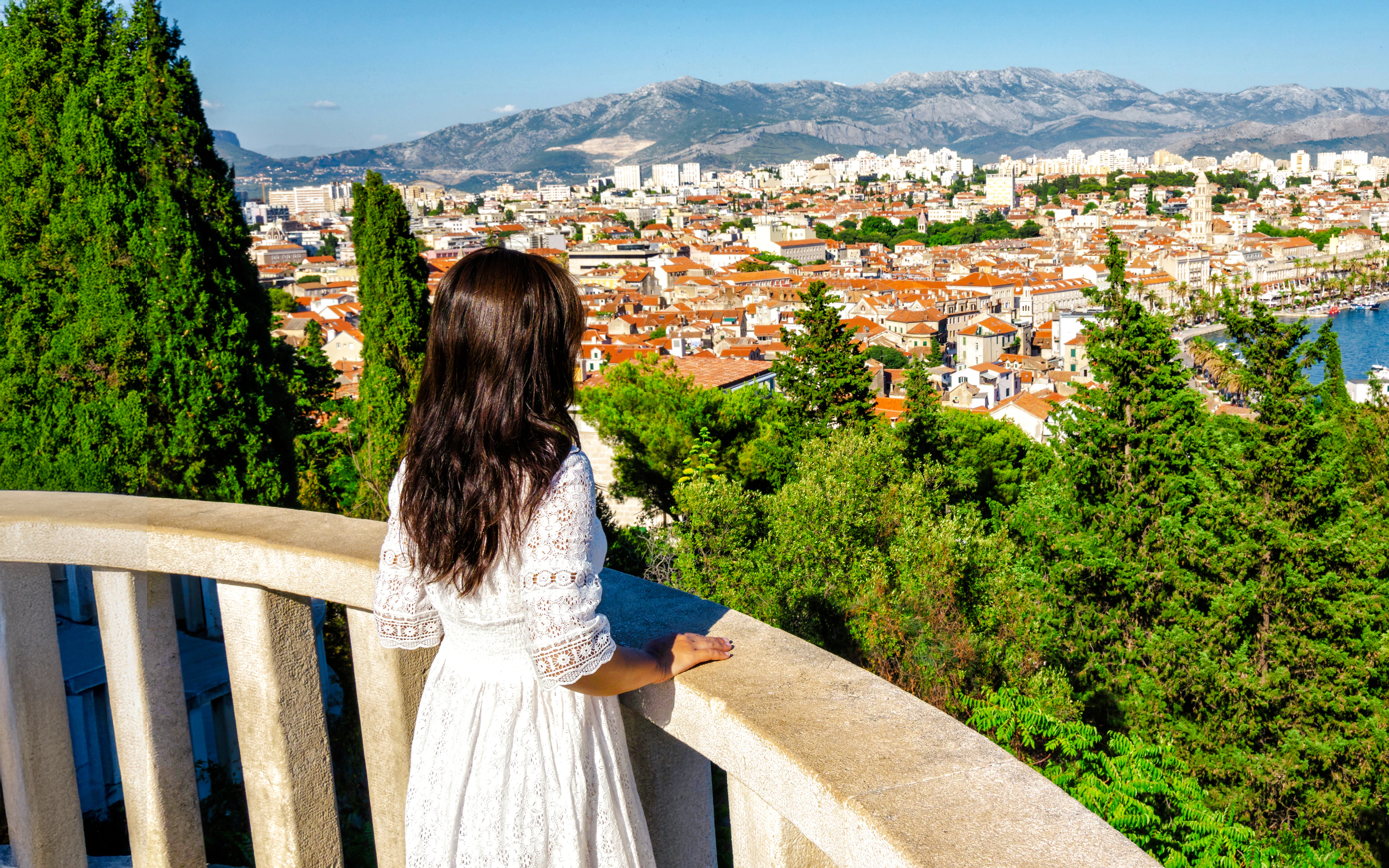
The ideal months to visit Split are May, June, September, and October. During these times, the weather is pleasant, and the city is less crowded. Summer months like July and August are warmer and busier, perfect for beach activities and festivals.
Planning your trip to Split can make your experience smoother and more enjoyable. With so much to see and do, having a clear plan helps you make the most of your time. From historic sites to beautiful beaches, knowing what to expect ensures you won't miss out on the highlights.
What to keep in mind
Best time to visit
Creating an Itinerary
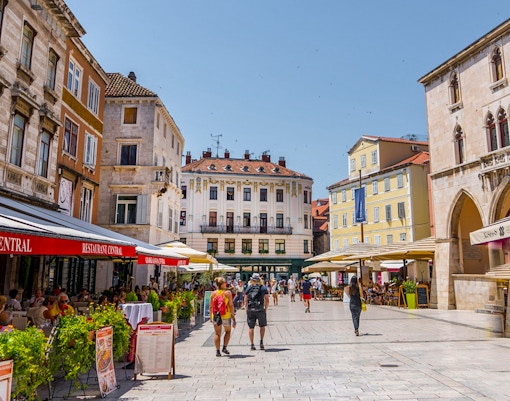
Having an itinerary helps you cover key attractions without feeling rushed. A 3 to 4-day stay allows you to explore Diocletian's Palace, relax on the Riva promenade, and take day trips to nearby islands. Planning ahead ensures you experience the best of Split.
Traveling with Family
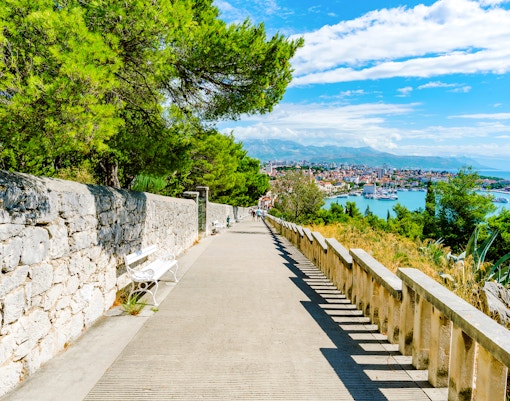
Split offers family-friendly activities like exploring Marjan Hill, visiting the Split Science Museum, and enjoying the beaches. The city's walkable layout and variety of attractions make it suitable for travelers of all ages.

Where to stay
Split has accommodations for every budget. Budget travelers can find hostels and guesthouses in the city center. Mid-range options include boutique hotels near the Old Town. For luxury stays, consider waterfront hotels with sea views.
Top attractions
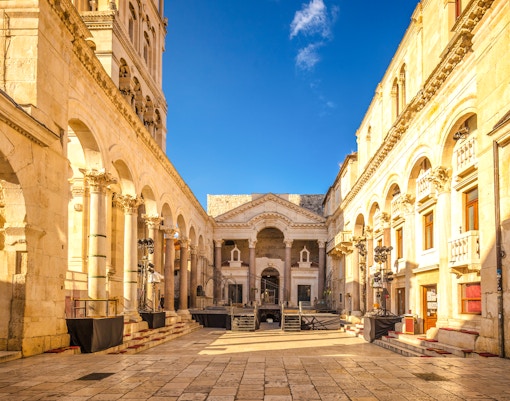
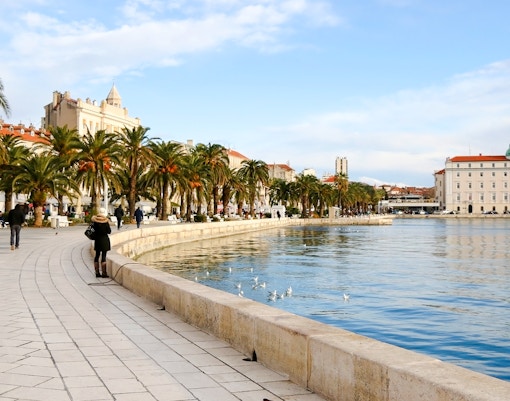
Don't miss Diocletian's Palace, a UNESCO World Heritage site. Climb Marjan Hill for panoramic views, stroll along the Riva promenade, and visit the Cathedral of Saint Domnius. Each offers a unique glimpse into Split's history and culture.
Dining options
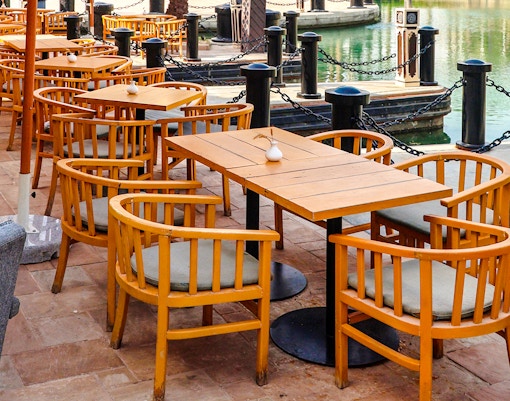
Split's culinary scene ranges from high-end restaurants to local eateries. Enjoy fresh seafood at waterfront restaurants, try traditional Croatian dishes at konobas, and grab quick bites at street food stalls.
Transportation
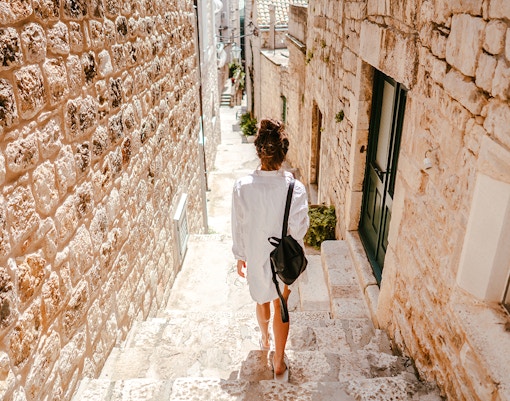
Getting around Split is easy. The city is walkable, and public buses connect major areas. Taxis and ride-sharing services are available, and ferries offer trips to nearby islands.

Packing essentials
Pack comfortable walking shoes, swimwear, sunscreen, and a light jacket for cooler evenings. If you plan to visit religious sites, bring modest clothing. A reusable water bottle and a daypack can also be handy.
Special events and festivals
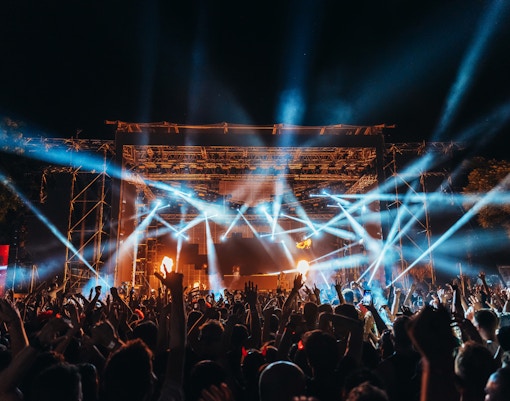
Split hosts various events throughout the year. In May, the city celebrates its patron saint, Saint Domnius, with processions and concerts. July features the Ultra Europe music festival, attracting visitors worldwide. December brings festive markets and holiday cheer.

Budgeting tips
On average, expect to spend around €127 per day, covering accommodation, meals, and activities. Prices may rise during peak tourist seasons. To save, dine at local eateries, use public transportation, and explore free attractions like parks and beaches.
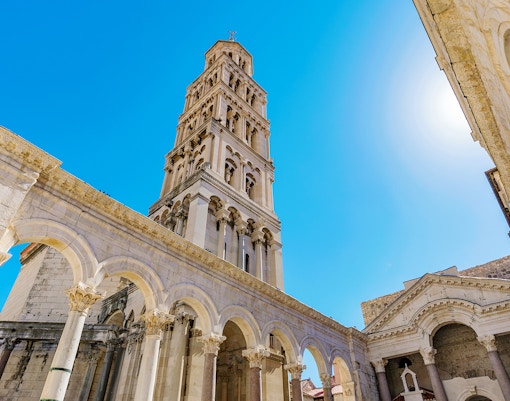
Photo ops
Capture memories at iconic spots like Diocletian's Palace, Marjan Hill, and the Riva promenade. Early mornings or late afternoons offer the best lighting for photos. Don't forget to snap pictures of the vibrant local markets and stunning sunsets.
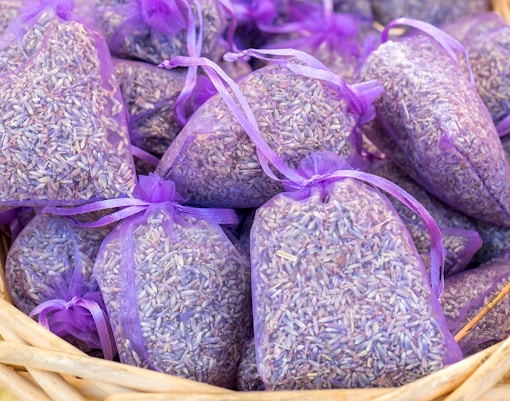
Shopping
For souvenirs, visit the Green Market for local products, or explore shops in the Old Town for handmade crafts and jewelry. Popular items include lavender products, olive oil, and traditional lace.